

Gear Guide
Cooler Boxes vs. Camping Fridges: Which One is Best for Your Outdoor Adventures?
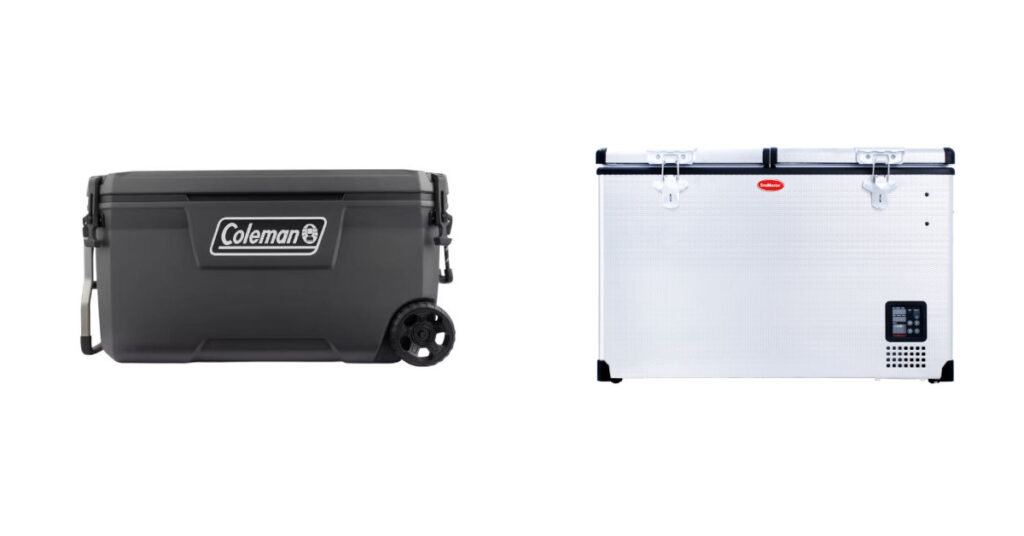
When it comes to keeping food and drinks cold during your outdoor adventures, two popular options stand out: cooler boxes and camping fridges. Both have their merits, but which one is the best choice for you? In this article, we’ll explore the pros and cons of each option, helping you make an informed decision based on your needs and preferences.
Cooler Boxes
What Are Cooler Boxes?
Cooler boxes are insulated containers designed to keep food and beverages cold using ice or ice packs. They come in various sizes and materials, ranging from lightweight plastic to durable rotomolded designs.
Pros of Cooler Boxes
- Affordability: Cooler boxes are generally more budget-friendly than camping fridges, making them an attractive option for casual campers or those on a tight budget.
- Simplicity: There’s no need for power or complicated setup. Simply fill your cooler with ice and pack your food and drinks.
- Portability: Most cooler boxes are lightweight and easy to carry, making them great for day trips, picnics, or short camping excursions.
- Versatility: They can be used in various settings beyond camping, such as picnics, beach outings, or backyard braais.
- Variety of Sizes: Cooler boxes come in a range of sizes, so you can choose one that fits your specific needs, whether you’re heading out for a weekend away or just a day trip.
Cons of Cooler Boxes
- Limited Cooling Duration: Depending on the insulation quality and ambient temperatures, ice in cooler boxes can melt quickly, requiring regular replenishment.
- Manual Maintenance: You must manage the ice levels, which can be inconvenient, especially for longer trips.
- Weight Considerations: When filled with ice and food, cooler boxes can become heavy and cumbersome, particularly if you need to hike to your campsite.
- No Temperature Control: Unlike camping fridges, cooler boxes don’t offer temperature regulation, meaning you may not keep certain perishables safe for extended periods.
Camping Fridges
What Are Camping Fridges?
Camping fridges are portable refrigeration units designed specifically for outdoor use. They can operate on various power sources, including AC, DC, or solar energy, providing consistent cooling without relying on ice.
Pros of Camping Fridges
- Consistent Temperature: Camping fridges can maintain a consistent temperature, allowing you to safely store perishables like dairy, meats, and fresh produce for longer durations.
- Convenience: With no need for ice, you can pack your fridge with food and drinks directly, eliminating the hassle of managing melting ice and the mess it can create.
- Versatile Power Options: Many camping fridges can run on multiple power sources, allowing you to choose the best option for your trip, whether it’s a leisure battery, a campsite power supply, or solar panels.
- Advanced Features: Many camping fridges come equipped with features like digital displays, adjustable temperature settings, and even dual-zone cooling for separating items.
- Long-Term Use: For frequent campers or road-trippers, investing in a camping fridge can be more cost-effective in the long run, given the reduced need for ice and the ability to store food safely.
Cons of Camping Fridges
- Higher Cost: Camping fridges are generally more expensive than cooler boxes, making them a significant investment, especially for casual campers.
- Power Dependency: They require a power source to operate, which can limit their usability in remote areas without access to electricity or batteries.
- Heavier and Bulkier: Camping fridges are typically heavier and bulkier than cooler boxes, making them less portable and unsuitable for certain activities, like hiking or backpacking.
- Complex Setup: While many camping fridges are user-friendly, they can involve a more complex setup compared to the straightforward use of a cooler box.
Which One Is Right for You?
Choosing between a cooler box and a camping fridge ultimately depends on your specific needs and camping style. Here are some factors to consider:
1. Trip Duration:
- For short trips or day outings, a cooler box may suffice.
- For extended trips or road trips where you need to keep perishable food fresh, a camping fridge is likely the better option.
2. Budget:
- If you’re on a tight budget or just starting with camping, a cooler box offers a cost-effective solution.
- If you plan to camp frequently and have the budget, investing in a camping fridge can provide better long-term value.
3. Type of Camping:
- For car camping or base camping where space isn’t an issue, a camping fridge can enhance your experience.
- For backpacking or hiking, a cooler box is typically lighter and more portable.
4. Food Preferences:
- If you enjoy fresh produce, dairy, or meat on your camping trips, a camping fridge is essential for safe storage.
- If your meals primarily consist of non-perishables or packaged foods, a cooler box may be adequate.
Conclusion
Both cooler boxes and camping fridges have their unique advantages and disadvantages. By considering your camping style, budget, and the duration of your trips, you can make an informed decision about which option best suits your needs. Whether you opt for the simplicity of a cooler box or the convenience of a camping fridge, both will enhance your outdoor cooking experience and help you enjoy the great outdoors. Happy camping!
 Camping and Hiking Gear
 Climbing Gear
 Hunting and Tactical
 Leisure Gear
 Outdoor Accessories
 Outdoor Apparel
 Home
Home Shop
Shop Account
 Wishlist
 Help Centre
 Contact Us
 Blog
Blog