

What to Pack for Kruger National Park Camping
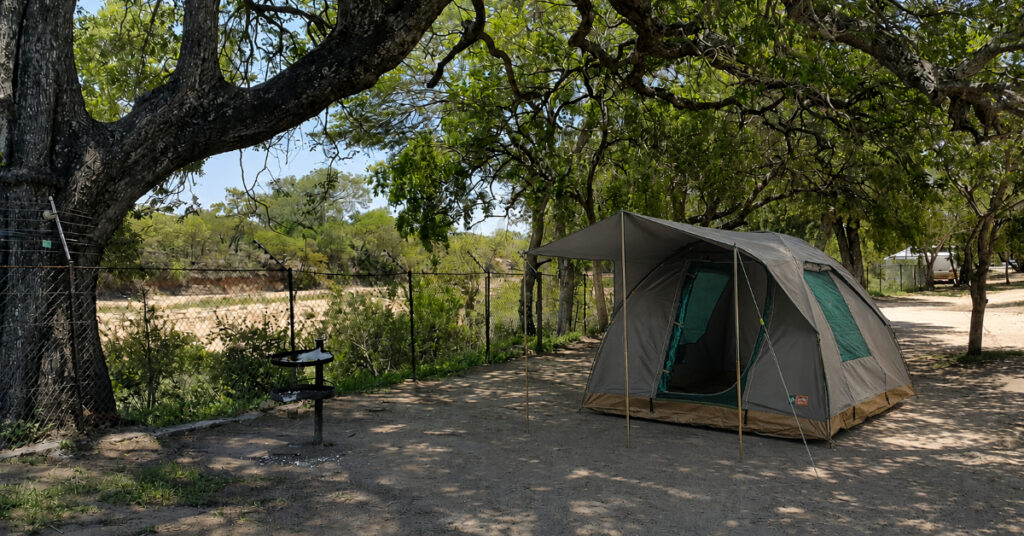
Camping in Kruger National Park is one of those trips that stays with you long after you return home. It’s the sound of lions calling before sunrise, coffee and rusks around the campfire while the bush slowly wakes up, dusty afternoons at a picnic spot, and evenings spent around the braai after a full day of game viewing.
But Kruger camping is very different from a quick weekend getaway.
The climate changes dramatically between seasons, camps vary in facilities, and spending several days in the bush quickly exposes weak packing decisions. The difference between a smooth, comfortable trip and a frustrating one often comes down to preparation.
Whether you’re travelling with a ground tent, caravan, rooftop tent, off-road caravan, or bush trailer (bossleepwa), this guide covers exactly what you need to pack for a practical, comfortable, and well-prepared Kruger camping trip.
Unlike many generic safari packing lists, this guide is written specifically for South African campers and self-drive travellers who understand that Kruger is as much about camp life as it is about wildlife sightings.
Quick Answer: What Should You Pack for Kruger National Park Camping?
For most Kruger camping trips, the essentials include reliable sleeping gear, practical camp furniture, cooking and braai equipment, weather-appropriate clothing, lighting, insect protection, binoculars, and sufficient food and water storage.
If you are camping with a caravan, off-road caravan, or bush trailer, you should also pack electrical adapters, extension leads, levelling ramps, wheel chocks, and backup power solutions for non-powered campsites.
Most importantly, pack for comfort, simplicity, and changing bushveld conditions rather than trying to bring everything you own.
Table of Contents
Understanding Kruger Camping Before You Pack
One of the reasons Kruger remains such a popular destination is the variety of camping styles it accommodates. You’ll find everything from minimalist tent campers to fully equipped off-road caravan setups, especially during school holidays and long weekends.
For South Africans, Kruger camping is rarely about “extreme overlanding.” Most visitors travel in normal family vehicles, caravans, bush trailers, or practical camping setups designed for comfort rather than expedition travel.
The larger SANParks rest camps generally offer:
- Powered camping stands
- Non-powered camping stands
- Ablution facilities
- Shared kitchens and laundries
- Fuel stations
- Shops and restaurants
Most camping stands also include their own braai stand, which quickly becomes the centre of camp life.
It’s important to understand that not all camps offer the same infrastructure. Larger camps like Skukuza, Lower Sabie, Satara, and Berg-en-Dal usually provide more facilities and electrical hookups, while smaller rustic camps are more basic and often do not provide electricity.
Before packing, always check:
- Whether your campsite has electricity
- What type of accommodation you booked
- Whether you’ll be moving camps frequently
- The season and expected weather conditions
Kruger feels remote once you’re inside the park, but nearby towns such as Hazyview, Hoedspruit, Malelane, Komatipoort, and Phalaborwa provide easy access to supplies before entering the gates. Still, most experienced campers prefer arriving properly stocked rather than relying heavily on camp shops.
Choosing the Right Sleeping Setup
Your sleeping setup shapes almost every other part of your packing list.
Ground tents remain extremely popular in Kruger, especially for families and campers staying several nights in one camp. Caravans and off-road caravans offer more comfort and easier packing, while bush trailers and rooftop tents work well for travellers moving between camps more frequently.
No matter which setup you use, comfort matters more in Kruger than many first-time visitors expect. Long game-drive days, early mornings, heat, dust, and changing temperatures quickly make poor sleeping arrangements feel exhausting.
For tent campers, a proper ground sheet is essential, particularly during summer thunderstorms or dusty winter conditions. A comfortable mattress or stretcher, decent pillows, and warm bedding make a significant difference after a full day outdoors.
Even in summer, mornings can feel surprisingly cool before sunrise. During winter, early game drives can become genuinely cold, especially in open safari vehicles.
Experienced Kruger campers also tend to favour simple camp setups that are quick to unpack and easy to keep organized. Dust becomes part of daily life in the bushveld, particularly during the dry season, so storage boxes and compact packing systems help enormously.
Clothing for Kruger National Park
One of the biggest mistakes first-time visitors make is packing for “Africa” instead of packing for actual Kruger conditions.
The reality is that Kruger weather changes dramatically between seasons.
Summer, which typically runs from October to April, is hot, humid, green, and often stormy. Temperatures regularly climb above 30°C, particularly in December and January. Lightweight clothing, breathable fabrics, a good hat, sunglasses, and a light rain jacket become essential during this time of year.
Main camps often have swimming pools for overnight guests as well as the larger day visitor facilities at Skukuza and Letaba camps. Remember to pack your swim gear and a compact, easy to dry towel as a quick dip in the pool is a refreshing break from summer heat.
Winter is very different. From May to August, the bush becomes dry and cooler, which generally improves game viewing. But sunrise drives can become extremely cold, especially before the sun comes up.
Warm layers are therefore far more important than many people expect. A fleece, windbreaker, beanie, and comfortable closed shoes are all worth packing during winter trips.
Neutral colours such as khaki, olive, brown, beige, and grey work best. Bright colours are not dangerous, but muted tones are more practical in the bushveld environment and tend to feel more comfortable during game drives and camp life.
Footwear should focus on comfort rather than style. Most experienced campers rotate between comfortable walking shoes during the day and slip-on sandals or flip-flops around camp and ablutions but remember that enclosed shoes offer protection from scorpions and such like after dark.
Camp Comfort Makes a Bigger Difference Than You Think
Many people focus heavily on safari gear and forget how much time is actually spent relaxing at camp.
A comfortable chair and practical camp table quickly become daily essentials. After several hours of driving game routes, most campers spend afternoons relaxing in the shade, preparing food, or simply watching birds and wildlife move around camp.
A washing line, pegs, dustpan, and compact broom sound unimportant until you’ve spent several days dealing with bushveld dust and damp towels.
Shade is equally important, especially during summer. Gazebos, rally tents, or caravan awnings provide relief during the hottest parts of the day and create a far more enjoyable campsite environment.
Simple comforts often make the biggest difference in Kruger.
Cooking and Braai Equipment
Braai culture is deeply woven into the Kruger camping experience. In most camps, the smell of fires and food drifts through camp shortly before sunset as everyone settles in for the evening.
While most camping stands include their own braai stand, you still need to bring your own equipment and cooking gear.
A practical braai setup usually includes:
- A braai grid
- Firelighters
- Charcoal or wood
- Tongs
- Sharp knives
- Basic preparation equipment
Complicated camp cooking often sounds better in theory than it works in practice. After long game-drive days, most experienced campers prefer simple meals that are quick to prepare and easy to clean up.
Braais, boerewors rolls, one-pot meals, toasted sandwiches, and pre-prepared salads tend to work particularly well in Kruger.
A proper coffee setup is also worth prioritising. Early mornings in camp are part of the experience, and most South African campers will agree that good coffee and rusks before gate opening are almost non-negotiable.
Cooler Boxes, Camping Fridges, and Food Storage
Food planning in Kruger is relatively straightforward, but it still requires preparation.
Most larger camps have shops, restaurants, ice, firewood, and basic groceries available. However, stock can vary significantly between camps and during busy periods.
For this reason, many experienced visitors prefer to arrive with most of their food already packed.
Cooler boxes remain popular for shorter trips, while camping fridges are often the preferred option for caravans, bush trailers, and longer stays.
Proper food storage matters for another reason too: monkeys and baboons are opportunistic and extremely quick to exploit unattended food around campsites.
Keeping food packed away properly helps avoid unwanted campsite visitors.
Power and Lighting in Kruger Camps
Electricity availability is one of the most important details to confirm before your trip.
Many larger camps offer both powered and non-powered camping stands, while rustic camps generally have limited infrastructure and no electrical hookups.
This affects everything from fridge setups to lighting and charging systems.
Caravan and bush trailer campers should remember to pack:
- Extension leads
- Caravan plug adapters
- Multi-plugs
- Backup lighting
- Charging cables
For non-powered campsites, solar panels, battery systems, and portable power stations become extremely useful.
Lighting is another area many first-time visitors underestimate. Camps are generally well maintained, but a torch or headlamp quickly becomes essential after dark, especially for late-night ablution walks or early morning departures.
Binoculars Are More Important Than Camera Gear
Many people focus heavily on photography equipment before a Kruger trip, but experienced visitors often prioritise binoculars first.
Good binoculars dramatically improve the safari experience. They help with birding, distant sightings, predator viewing, and identifying wildlife hidden deep in vegetation.
A camera is wonderful to have, but binoculars are what truly help you experience sightings properly.
If you do enjoy photography, remember that Kruger’s dry conditions create significant dust, particularly on gravel roads. Spare batteries, memory cards, and lens cloths quickly become essential items.
Guidebooks and physical maps are still surprisingly useful in Kruger despite modern navigation apps. Cellphone coverage varies significantly throughout the park, and many visitors enjoy planning drives and identifying wildlife manually.
Bushveld Safety: Snakes and Scorpions
Snakes and scorpions are part of the natural bushveld environment in Kruger National Park, although sightings inside camps are relatively uncommon and incidents are rare when campers follow basic precautions.
Most encounters happen at night, during warmer months, or around cluttered campsites where insects and small animals are attracted.
Simple bushveld habits make a significant difference:
- Wear enclosed shoes around camp after dark
- Use a torch or headlamp at night
- Keep tents zipped closed
- Shake out shoes and clothing before use
- Avoid leaving bedding or bags directly on the ground
- Keep campsites tidy
For caravan, bush trailer, and tent campers alike, campsite organization is one of the easiest ways to avoid unpleasant surprises.
If you do encounter a snake, keep your distance and allow it space to move away naturally. Never attempt to handle or kill it.
Picnic Spots Are Part of the Kruger Experience
One of the most enjoyable parts of Kruger is stopping at picnic sites during game drives.
Popular picnic spots such as Tshokwane, Afsaal, Mlondozi, Nkuhlu, and Timbavati are often highlights of the trip itself. They offer a chance to stretch your legs, enjoy breakfast or coffee, and slow down between sightings.
Because of this, many experienced Kruger visitors pack specifically for daytime stops.
A good coffee flask, snacks, fold-up chairs, wet wipes, and a small day cooler become surprisingly useful throughout the trip.
Many travellers plan their routes around breakfast or lunch stops at picnic sites, especially on longer drives between camps.
Common Kruger Packing Mistakes
The most common Kruger camping mistake is overpacking.
People often arrive with too much gear, overly complicated cooking setups, and equipment they never actually use. Kruger camping works best when your setup is organized, practical, and easy to manage.
Another common mistake is underestimating winter mornings. Even experienced campers are often surprised by how cold early game drives can feel.
Failing to confirm whether a campsite has electricity is another frequent issue. Many travellers assume all campsites are powered, only to arrive unprepared at a non-electric stand.
And finally, many first-time visitors underestimate how useful binoculars really are. Good binoculars often improve the safari experience far more than expensive camera equipment.
Final Thoughts
Packing properly for Kruger National Park camping is less about bringing more equipment and more about bringing the right equipment.
The best Kruger campers are usually not the people with the most elaborate setups. They’re the ones with practical, organized camps that allow them to spend less time managing gear and more time enjoying the bush.
Whether you’re travelling with a caravan, rooftop tent, bossleepwa, or traditional ground tent, thoughtful preparation makes the entire experience smoother and far more enjoyable.
Pack for the season, confirm your campsite facilities carefully, keep your setup simple, and leave space to enjoy what really matters — sunrise game drives, afternoons at picnic spots, evenings around the braai, and the atmosphere that makes Kruger one of South Africa’s greatest camping destinations.
FAQs
Do all Kruger campsites have electricity?
No. Larger camps often offer both powered and non-powered camping stands, while rustic camps generally do not have electrical hookups.
Can I camp in Kruger with a caravan or bush trailer?
Yes. Kruger is extremely popular with caravan owners, off-road caravan travellers, and bush trailer (bossleepwa) campers.
What is the best time of year for Kruger camping?
Winter is generally considered the best season for game viewing because vegetation is thinner and animals gather around water sources. Summer offers greener landscapes, birdlife, and dramatic thunderstorms.
Are there shops inside Kruger National Park?
Yes. Most major rest camps have shops, restaurants, fuel stations, and basic supplies available.
Do I need binoculars for Kruger?
Absolutely. Binoculars are one of the most useful items you can pack for wildlife viewing and birding.
Are snakes and scorpions common in Kruger camps?
They are part of the natural bushveld environment, but sightings inside camps are relatively uncommon. Basic campsite awareness and good habits significantly reduce the chances of problems.
Is Kruger National Park a malaria area?
Yes. Kruger falls within a malaria-risk area, particularly during warmer wet months.
What is a bossleepwa?
A bossleepwa is an Afrikaans term commonly used for a bush trailer or off-road camping trailer designed for bush travel and camping.
 Camping and Hiking Gear
 Climbing Gear
 Hunting and Tactical
 Leisure Gear
 Outdoor Accessories
 Outdoor Apparel
 Home
Home Shop
Shop Field Guide
 Account
 Wishlist
 Help Centre
 Contact Us