

A Beginner’s Guide to Multi-Day Hiking
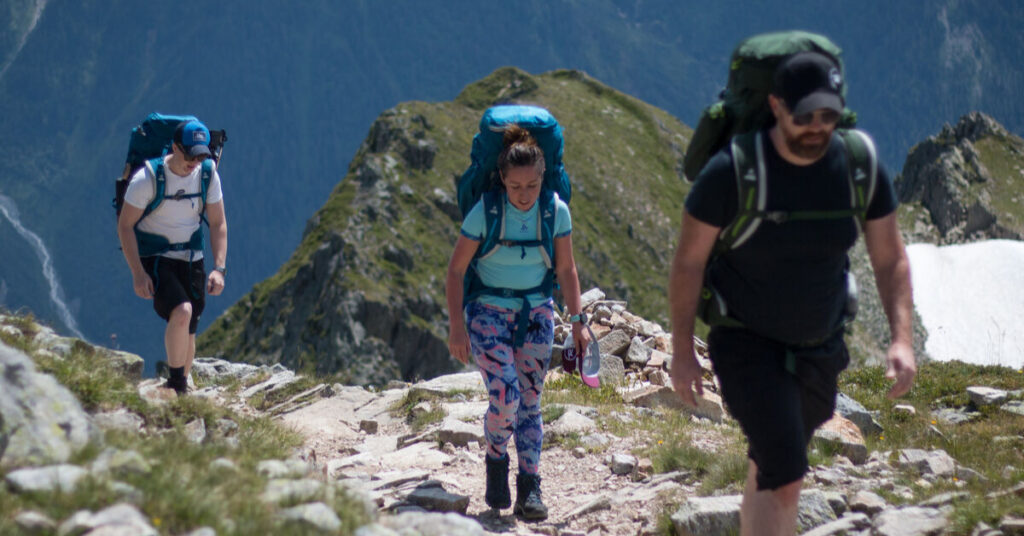
Multi-day hiking, also known as backpacking, is an exhilarating way to explore the great outdoors while immersing yourself in nature. It allows you to cover greater distances, discover remote landscapes, and experience the tranquility of the wilderness. If you’re new to multi-day hiking, this beginner’s guide will help you prepare for a successful and enjoyable adventure.
1. Planning Your Trip
Choose Your Destination
Selecting the right trail is crucial for your first multi-day hike. Here are some tips:
- Research Trails: Look for established multi-day hiking routes that are suitable for beginners.
- Distance and Duration: Aim for a manageable distance. A good starting point is a 2- to 4-day hike, covering 8 to 15 kilometres each day. Factor in your fitness level and hiking experience.
- Elevation Gain: Consider the trail’s elevation profile. Beginners may want to start with trails that have gradual ascents rather than steep climbs.
Obtain Permits
Many popular hiking areas require permits for overnight camping or need booking in advance to control the number of people on the trail. Check the regulations for your chosen trail and secure any necessary permits or bookings well in advance.
2. Essential Gear and Equipment
Packing the right gear is crucial for comfort and safety during your multi-day hike. Here’s a list of essentials:
Backpack
- Backpacking Pack: Invest in a high-quality backpack with a capacity of 50 to 70 litres, depending on the length of your trip. Look for a comfortable fit with adjustable straps.
Shelter and Sleeping Gear
- Tent: Choose a lightweight, easy-to-setup tent that suits the number of people in your group.
- Sleeping Bag: Select a sleeping bag rated for the temperatures you expect. Opt for a compressible option for easier packing.
- Sleeping Pad: A sleeping pad provides insulation and comfort while you sleep, making it easier to rest.
Cooking Supplies
- Portable Stove: A lightweight camping stove is essential for cooking meals. Consider fuel type and weight when choosing.
- Cookware: Bring pots, pans, utensils, and a lightweight cutting board.
- Food: Plan your meals ahead of time. Opt for lightweight, high-energy foods like dehydrated meals, nuts, and energy bars.
Hydration
- Water Filter or Purification Tablets: Carry a reliable method for obtaining clean water from natural sources along the trail.
- Hydration System: A water bladder or water bottles will keep you hydrated throughout your hike.
Clothing
- Layered Clothing: Dress in layers to adapt to changing weather. Include moisture-wicking base layers, insulating mid-layers, and a waterproof outer layer.
- Sturdy Footwear: Invest in comfortable, well-fitting hiking boots with good traction.
Navigation and Safety
- Map and Compass or GPS: Always carry a physical map and compass, or use a reliable GPS device or smartphone app for navigation.
- First Aid Kit: A basic first aid kit is essential for treating minor injuries or ailments on the trail.
3. Preparing for Your Hike
Test Your Gear
Before embarking on your multi-day hike, do a trial run with your gear. Take a short hike with your packed backpack to ensure everything fits well and is comfortable.
Plan Your Itinerary
Outline your daily hiking goals, including estimated distances and potential camping spots. Be flexible in your planning, allowing for changes based on weather or your energy levels.
Safety First
Inform someone about your itinerary and expected return date. It’s essential to have a plan in case of emergencies.
4. On the Trail
Pace Yourself
Start each day at a comfortable pace, allowing your body to adjust to the physical demands of multi-day hiking. Take regular breaks to rest, hydrate, and refuel.
Set Up Camp
When you reach your planned campsite, choose a flat, dry area away from water sources and potential hazards. Follow Leave No Trace principles to minimize your impact on the environment.
Enjoy the Experience
Take time to appreciate the beauty around you. Whether it’s the sounds of wildlife or breathtaking vistas, embrace the moments that make multi-day hiking special.
5. Leave No Trace
Practicing Leave No Trace principles is crucial for preserving the natural environment. Pack out everything you bring in, stay on designated trails, and respect wildlife and fellow hikers.
6. Know Your Limits
Recognize your physical and mental limits. If you’re feeling fatigued or the weather conditions deteriorate, don’t hesitate to adjust your plans. Safety should always be your top priority.
Conclusion
Multi-day hiking offers a unique opportunity to explore the wilderness and connect with nature. By carefully planning your trip, packing the right gear, and following safety guidelines, you can ensure a rewarding experience. So lace up your boots, grab your backpack, and embark on an adventure that promises to leave you with cherished memories and a deeper appreciation for the great outdoors. Happy hiking!
 Camping and Hiking Gear
 Climbing Gear
 Hunting and Tactical
 Leisure Gear
 Outdoor Accessories
 Outdoor Apparel
 Home
Home Shop
Shop Field Guide
 Account
 Wishlist
 Help Centre
 Contact Us