

Tips and Advice
Going to the Toilet While Hiking
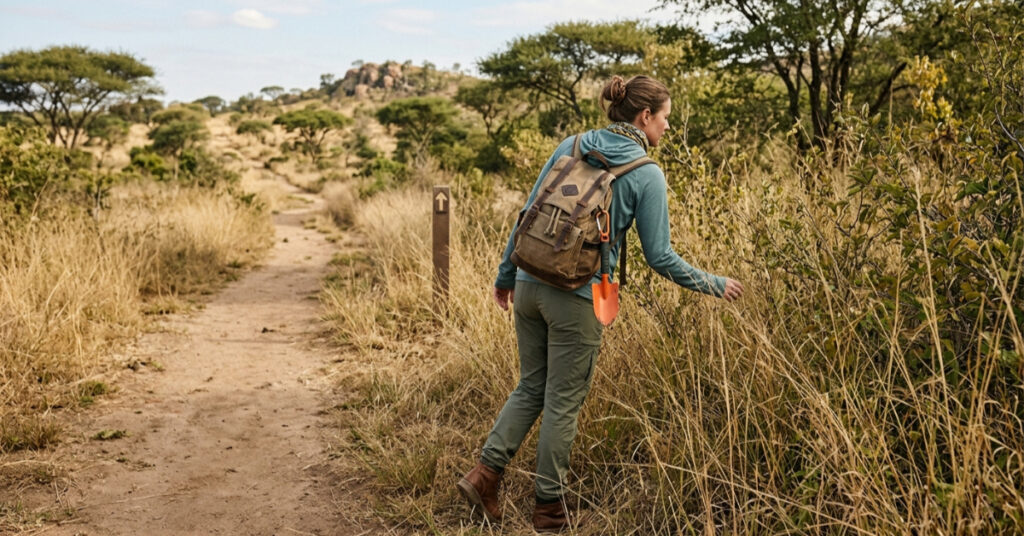
Time outdoors comes with a simple truth—at some point, nature will call. Whether you’re out for a day hike or exploring a multi-day trail, knowing how to handle bathroom breaks properly is part of being prepared.
Done right, it’s quick, low-stress, and leaves no impact. Done wrong, it affects the environment and everyone else on the trail. This guide breaks it down into practical steps so you can handle it properly, stay comfortable, and protect the environment while you’re out there.
Know What to Expect
Not all trails are created equal.
In many South African reserves and parks, especially SANParks sites or popular day trails, you may find ablution facilities at entrances, camps or picnic sites. These are always your best option—clean, simple, and environmentally controlled.
However, once you’re out on the trail, especially in more remote areas, you should expect no facilities at all. In these cases, it’s your responsibility to manage waste correctly and follow local guidelines.
Some high-traffic or sensitive areas may have portable toilets, but don’t rely on them unless you’ve confirmed beforehand.
Plan Ahead
Preparation makes all the difference.
Before heading out:
- Check if there are toilets at the start or along your route
- Understand how long you’ll be without facilities
- Take note of water sources and campsites
Hydration is important, especially in South Africa’s warmer climate, but it also means more frequent stops. That’s normal—just plan your breaks accordingly so you’re not caught out in an exposed area.
Choosing the Right Spot
If you need to go off-trail, location matters.
Move at least 60–70 metres (or about 70 adult size paces) away from:
- Hiking paths
- Campsites
- Rivers, streams, or any water source
This helps prevent contamination and keeps the experience clean for others.
Look for:
- Natural cover like bushes or trees for privacy
- Firm, workable soil
- A spot that won’t easily erode in rain
Avoid dry riverbeds, fragile vegetation, or areas where water flows after rain.
Also, be aware of the presence of wildlife in the vicinity of your chosen spot, especially well camouflaged fauna such as snakes which could pose a safety hazard.
The Cathole Method
In the absence of facilities, this is the standard and most responsible approach.
1. Dig a hole
Use a small trowel (a worthwhile addition to any hiking kit). Aim for:
- 15–20 cm deep
- Roughly 10–15 cm wide
This allows waste to decompose properly and keeps animals from digging it up.
2. Do your business
Squatting is the most stable position. Take your time and make sure you’re balanced—no one wants a mishap out there.
3. Cover it properly
Fill the hole back in with the soil you removed and lightly compact it. The goal is to leave the area looking untouched.
Toilet Paper and Hygiene
This is where responsible hiking really shows.
Toilet paper should always be packed out. Even “biodegradable” paper doesn’t break down quickly in many South African environments, especially in dry or cold conditions.
Bring:
- A sealable plastic bag (double-bagged is best)
- Hand sanitiser or biodegradable soap
If you want to reduce what you carry out, use less paper or consider natural alternatives—but only if you’re certain they’re safe and won’t damage the environment.
Clean hands are non-negotiable, especially before eating or handling gear.
Stay Comfortable
A few small choices make a big difference.
Wear clothing that’s easy to manage—simple waistbands and minimal layers. Complicated outfits quickly become frustrating when you’re trying to move efficiently and discreetly.
Also, don’t ignore the early signs. Acting sooner gives you time to find a proper spot rather than rushing and making a poor choice near the trail.
Hiking With Others
If you’re in a group, just communicate.
There’s no need for detail—a simple heads-up that you’re stepping away is enough. It keeps things organised and avoids unnecessary concern, especially on longer or unfamiliar routes.
Follow Local Guidelines
South Africa has a wide range of hiking environments—from mountain reserves to coastal trails and bushveld parks. Each may have slightly different rules.
Always:
- Follow reserve or park-specific regulations
- Respect signage and designated areas
- Carry out all non-organic waste
In some protected or sensitive areas, stricter “pack it out” policies may apply—even for human waste. If that’s the case, make sure you’re properly equipped before you go.
Final Word
Going to the toilet on a hike is part of the experience—it doesn’t need to be awkward or complicated. With the right preparation and a bit of awareness, it becomes routine.
The key is simple: leave no trace, respect the environment, and be prepared.
Do that, and you’ll not only have a better hike—you’ll help keep South Africa’s trails clean, wild, and worth exploring for everyone who comes after you.
 Camping and Hiking Gear
 Climbing Gear
 Hunting and Tactical
 Leisure Gear
 Outdoor Accessories
 Outdoor Apparel
 Home
Home Shop
Shop Account
 Wishlist
 Help Centre
 Contact Us
 Blog
Blog