

How to Plan a Kruger Self-Drive Safari: Complete Practical Guide
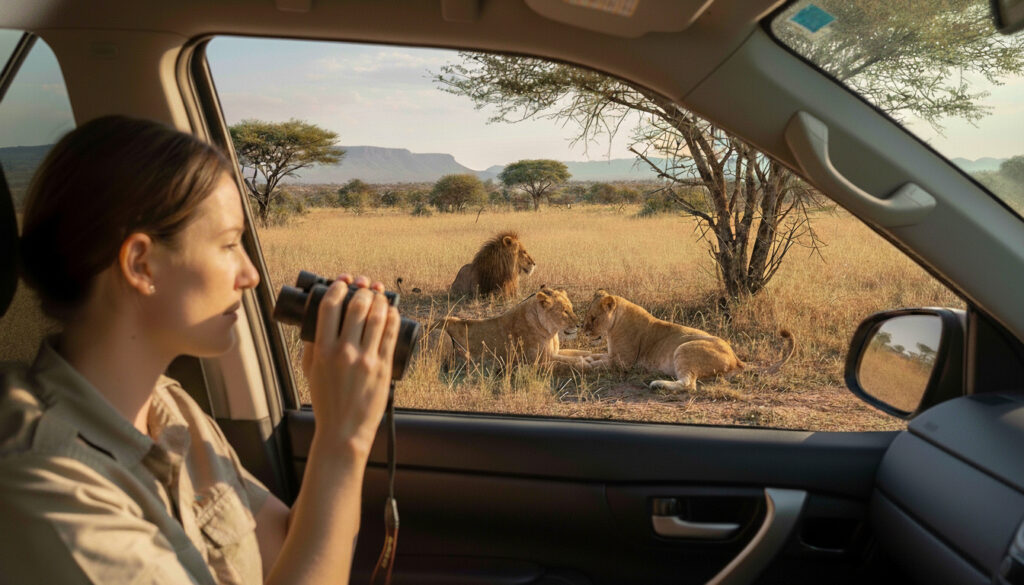
A self-drive safari in Kruger National Park is one of the most rewarding outdoor experiences in Southern Africa. You get the freedom to choose your routes, spend time at sightings, travel at your own pace, and experience the bush without the cost of a guided luxury safari.
For many visitors, especially first-timers, planning a Kruger trip can feel overwhelming. The park is enormous, distances are longer than they appear on a map, camp types can be confusing, and strict gate times catch many travellers off guard.
This guide explains exactly how to plan a Kruger self-drive safari — from choosing camps and routes to understanding driving times, accommodation options, safety, and game-viewing strategy. Whether you are a local camper from Gauteng or an international visitor planning your first South African safari, this article will help you prepare properly and avoid common mistakes.
Quick Answer: How Do You Plan a Kruger Self-Drive Safari?
To plan a successful Kruger self-drive safari:
- Decide how many days you have available
- Choose the best region of the park for your interests
- Book accommodation early through SANParks
- Plan realistic driving distances between camps
- Understand gate opening and closing times
- Prepare your vehicle and camping equipment
- Download offline maps before entering the park
- Budget for fuel, conservation fees, food, and activities
- Follow park regulations and wildlife safety rules
- Drive slowly and spend time at sightings instead of rushing
For most first-time visitors, a 4–6 night trip using two or three camps provides the best balance between exploration and relaxed game viewing.
Table of Contents
Understanding Kruger National Park
Kruger National Park covers nearly 20,000 square kilometres and stretches roughly 350 kilometres from north to south. It is one of Africa’s largest and best-managed national parks, with an extensive road network that makes self-driving accessible even for beginners.
The park is divided into different ecological regions:
- Southern Kruger
Densest wildlife populations, busiest camps, excellent Big Five sightings - Central Kruger
Open grasslands and predator territory - Northern Kruger
Quieter, more remote, excellent birding and wilderness atmosphere
The south is generally better for first-time visitors focused on frequent wildlife sightings. The north appeals more to experienced bush travellers looking for quieter roads and less crowded camps.
Best Time to Visit Kruger
Kruger is a year-round destination, but each season offers a different experience.
Winter (May to September)
This is widely considered the best game-viewing season.
Advantages:
- Cooler temperatures
- Less vegetation
- Animals gather around water sources
- Lower malaria risk compared to summer
- Comfortable camping weather
Disadvantages:
- Very busy during school holidays
- Cold early mornings
Summer (October to April)
Summer brings dramatic thunderstorms, lush landscapes, and excellent birding.
Advantages:
- Green scenery
- Migratory birds
- Newborn animals
- Fewer visitors outside holiday periods
Disadvantages:
- Hot temperatures
- Afternoon rain
- Dense vegetation can reduce visibility
For first-time self-drivers, late winter and early spring are often the easiest and most rewarding periods.
How Many Days Do You Need?
Kruger is much larger than many visitors expect.
Recommended Trip Lengths
| Trip Length | Recommended Approach |
|---|---|
| 2–3 Days | Focus on one region only |
| 4–6 Days | Ideal for most visitors |
| 7–10 Days | Excellent for exploring multiple regions |
| 10+ Days | Best for photographers, campers, and slower travel |
Trying to cover the entire park in a few days usually leads to exhaustion and poor game viewing.
A slower itinerary with shorter drives almost always produces a better safari experience.
Choosing the Best Area of the Park
Southern Kruger
Popular camps include:
- Skukuza
- Lower Sabie
- Berg-en-Dal
- Crocodile Bridge
Best for:
- First-time visitors
- Big Five sightings
- Shorter trips
- Families
Wildlife density is generally highest here.
Central Kruger
Popular camps include:
- Satara
- Olifants
Best for:
- Predator sightings
- Open plains
- Mixed safari experience
Satara is particularly famous for lions.
Northern Kruger
Popular camps include:
- Shingwedzi
- Punda Maria
Best for:
- Birding
- Wilderness feel
- Quiet roads
- Experienced visitors
Wildlife sightings may require more patience, but the atmosphere is exceptional.
Main Camps vs Satellite Camps
One of the most confusing parts of planning a Kruger safari is understanding camp types.
Main Camps
Main camps function almost like small bush villages.
Typical facilities include:
- Restaurants
- Shops
- Fuel stations
- Reception offices
- Swimming pools
- Basic medical assistance
- Guided activities
Examples:
- Skukuza
- Lower Sabie
- Satara
- Letaba
These camps are ideal for beginners and families.
Satellite Camps
Satellite camps are smaller and quieter.
They usually offer:
- Limited or no shops
- Fewer facilities
- More peaceful atmosphere
- Smaller accommodation capacity
Examples:
- Balule
- Tamboti
- Shimuwini
They suit travellers seeking a more rustic bush experience.
Bushveld Camps
Bushveld camps are small, fenced camps with restricted access for overnight guests only.
They are popular with experienced Kruger visitors because they:
- Feel quieter
- Have less traffic
- Offer more intimate bush experiences
However, facilities are usually limited.
Kruger Accommodation Options
Kruger caters to a wide range of budgets and travel styles.
Camping
Camping is one of the best ways to experience the park.
Most campsites include:
- Shared ablutions
- Power points (check site type when booking)
- Braai facilities
- Communal kitchens
Winter camping is particularly popular among South African travellers.
Book early during school holidays and long weekends.
Safari Tents
Permanent safari tents provide a middle ground between camping and chalets.
They usually include:
- Beds
- Basic furniture
- Electrical outlets
- Shared or private bathrooms
Bungalows and Chalets
These are the most common accommodation types.
Options range from:
- Basic rondavels
- Ensuite bungalows
- Family chalets
- Luxury guesthouses
Some units include kitchens and private braai areas.
Private Lodges Outside the Park
Private lodges around Kruger often provide:
- Guided game drives
- Luxury accommodation
- Fully catered stays
However, a self-drive trip inside the national park is usually far more affordable and flexible.
How to Get to Kruger National Park
Driving from Gauteng
Many South Africans drive from Johannesburg or Pretoria.
Approximate travel times:
- Johannesburg to Malelane Gate: 4.5–5.5 hours
- Johannesburg to Phabeni Gate: 5–6 hours
Road conditions are generally good on major routes; alternative routes via regional roads can be variable.
Flying to Kruger
International and local visitors can fly to nearby airports including:
- Skukuza Airport
- Kruger Mpumalanga International Airport
- Hoedspruit Airport
Rental vehicles are widely available.
Which Gate Should You Use?
Your entrance gate should match your first camp.
Examples:
- Lower Sabie → Crocodile Bridge Gate
- Skukuza → Paul Kruger Gate or Phabeni Gate
- Satara → Orpen Gate
Avoid choosing gates that require long drives after entering the park.
Understanding Driving Times in Kruger
This is where many first-time visitors make costly mistakes.
Driving inside Kruger is slow.
Speed limits:
- 50 km/h on tar roads
- 40 km/h on gravel roads
In reality, average safari speeds are often much slower because:
- Wildlife sightings stop traffic
- Gravel roads can sometimes be rough
- You stop frequently for photography
- Wildlife spotting is easier at a slower pace
Important Rule of Thumb
Allow:
- About 1 hour per 25–30 kilometres for relaxed game viewing
A route that looks short on a map may take far longer than expected.
Why Gate Times Matter
Gate opening and closing times are strictly enforced.
If you arrive late:
- You may receive penalties
- Gates may refuse entry
- Driving after hours is prohibited
Always plan to arrive at camp well before closing time.
Planning Your Daily Safari Routine
The best self-drive safaris follow a relaxed rhythm.
Early Mornings Matter
Animals are most active:
- Shortly after sunrise
- Late afternoon before sunset
Leaving camp when gates open dramatically improves sightings.
Midday Strategy
Wildlife activity slows during hot periods.
This is a good time to:
- Return to camp
- Rest
- Visit hides
- Enjoy lunch
- Review sightings
Afternoon Drives
Late afternoon drives often produce:
- Predator movement
- Elephant activity
- Better photographic light
Always allow enough time to return before gate closure.
Game Viewing Tips for Self-Drivers
Drive Slowly
Fast driving causes missed sightings.
Many excellent sightings happen because someone noticed:
- A flicking tail
- Alarm calls
- Birds behaving strangely
- Tracks crossing the road
Use Other Vehicles Wisely
Clusters of stationary vehicles often indicate sightings.
Approach slowly and remain patient.
Spend More Time at Fewer Sightings
New visitors often rush between sightings.
Experienced Kruger travellers know that sitting quietly at a waterhole or lion sighting can produce remarkable behaviour and photography opportunities.
Bring Binoculars
Even basic binoculars dramatically improve:
- Birding
- Distant sightings
- Predator spotting
Facilities and Services Inside the Park
Most major camps provide practical services that make self-driving easier.
Facilities commonly include:
- Fuel stations
- Small grocery stores
- Ice and firewood
- Restaurants
- ATMs at some camps
- Laundry facilities
- Mobile signal in selected areas
However, stock availability varies.
It is wise to:
- Carry essential groceries
- Bring backup drinking water
- Refill fuel regularly
Do not assume every camp has full supermarket-style supplies.
Kruger National Park Rules and Safety
Kruger’s rules exist for both visitor safety and wildlife protection.
Important Regulations
Visitors may not:
- Leave vehicles except at designated areas
- Feed animals
- Exceed speed limits
- Drive after gate closing
- Play loud music
- Disturb wildlife
Wildlife Safety
Wild animals in Kruger are not tame.
Elephants, buffalo, hippos, and predators can be dangerous.
Important safety principles:
- Keep windows partly closed near elephants
- Never block animal movement
- Reverse slowly if animals appear stressed
- Stay inside your vehicle
Malaria Awareness
Kruger is located in a malaria-risk area, especially during summer.
Recommendations vary depending on:
- Season
- Region visited
- Personal medical circumstances
Consult a qualified healthcare professional before travel, particularly for international visitors.
Fuel and Vehicle Preparation
Before entering the park:
- Check tyre pressure
- Ensure spare tyres are functional
- Refill fuel
- Carry charging cables and basic emergency supplies
A standard vehicle is sufficient for most roads.
A 4×4 is not necessary for general Kruger travel.
Common Mistakes to Avoid
Trying to Cover Too Much
Long driving days reduce enjoyment.
Choose fewer camps and shorter routes.
Booking Too Late
Popular camps book out months ahead during:
- School holidays
- Easter
- Long weekends
- December holidays
Ignoring Gate Times
Late arrivals create unnecessary stress.
Always leave buffer time.
Overpacking Your Itinerary
The best Kruger experiences often happen unexpectedly.
Leave room for spontaneity.
Chasing the Big Five Constantly
Kruger is about more than checklist tourism.
Some of the best moments involve:
- Birdlife
- Sunrises
- Hyena calls at night
- Quiet wilderness roads
Frequently Asked Questions
Is a self-drive safari in Kruger safe?
Yes, Kruger is generally safe for self-drive visitors when park regulations are followed carefully. Most safety incidents occur when visitors ignore wildlife rules or leave vehicles in undesignated areas.
Do I need a 4×4 vehicle in Kruger?
No. Most public roads in Kruger are accessible with a normal sedan or SUV.
How far in advance should I book Kruger accommodation?
For peak periods, booking 6–11 months ahead is recommended, especially for popular camps and campsites.
Which area of Kruger is best for first-time visitors?
Southern Kruger is usually best for first-time visitors because wildlife density is high and infrastructure is excellent.
Can you camp safely in Kruger?
Yes. Official camps are fenced and managed by SANParks. Campsites are popular with local and international visitors.
Are there fuel stations inside the park?
Yes, major camps usually have fuel stations, but availability can occasionally vary.
What is the speed limit in Kruger National Park?
Generally:
– 50 km/h on tar roads
– 40 km/h on gravel roads
Always obey posted sign
Can you enter and leave the park freely during the day?
Yes, provided you use official gates and comply with opening and closing times.
Is Kruger suitable for beginners?
Absolutely. Kruger is one of the easiest and most accessible safari destinations in Africa for independent travellers.
What should I pack for a Kruger self-drive safari?
Essentials include:
– Binoculars
– Sunscreen
– Hats
– Reusable water bottles
– Power banks
– Offline maps (cellphone signal/data coverage is patchy)
– Cooler boxes
– Warm clothing for winter mornings
Final Thoughts
Planning a successful Kruger self-drive safari is less about covering huge distances and more about travelling slowly, staying flexible, and understanding how the park works.
Visitors who carefully choose camps, respect realistic travel times, and embrace the rhythm of the bush usually have the most memorable experiences.
Whether you are camping under the trees at Satara, watching elephants at a river crossing near Lower Sabie, or enjoying sunrise coffee at a quiet lookout point, Kruger rewards patience and preparation more than rushed itineraries.
For many travellers, a self-drive safari becomes more than just a holiday — it becomes the start of a lifelong connection with the South African bush.
 Camping and Hiking Gear
 Climbing Gear
 Hunting and Tactical
 Leisure Gear
 Outdoor Accessories
 Outdoor Apparel
 Home
Home Shop
Shop Field Guide
 Account
 Wishlist
 Help Centre
 Contact Us