

Preventing Rust on Camping Gear: A Practical Guide
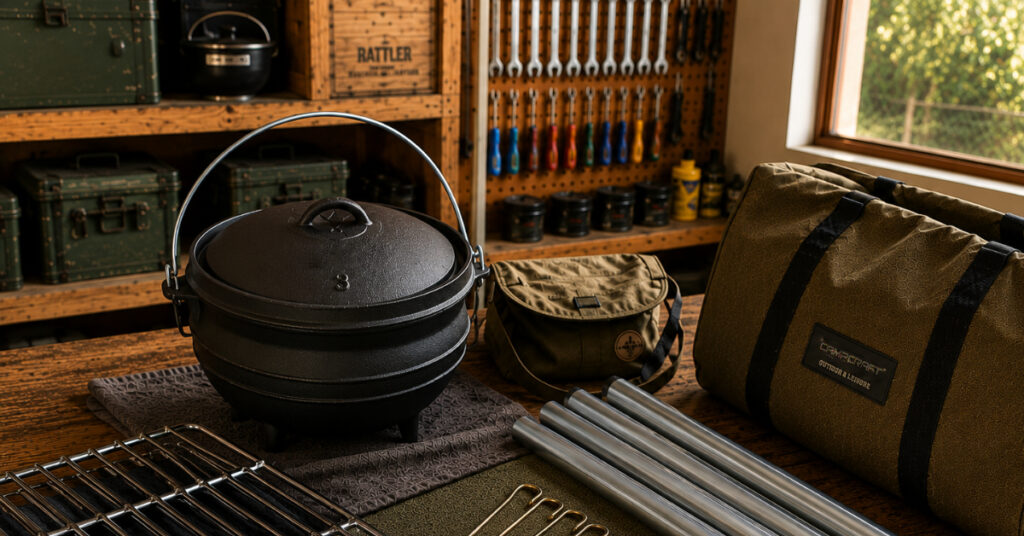
Camping equipment is built to handle tough conditions, but few things shorten its lifespan faster than rust.
Whether it’s a cast iron potjie, a braai grid, tent pegs, camping tools, caravan components or a favourite multi-tool, rust can develop surprisingly quickly if equipment is stored or maintained incorrectly. Once corrosion takes hold, it doesn’t just affect appearance—it can weaken metal, reduce performance, and eventually make gear unsafe or unusable.
Fortunately, preventing rust isn’t difficult. A few simple habits before, during and after each camping trip can dramatically extend the life of your equipment and save money in the long run.
This guide explains why camping gear rusts, which items are most at risk, and the practical maintenance routines that experienced South African campers use to keep their equipment in excellent condition year after year.
Quick Answer: How Do You Prevent Rust on Camping Gear?
The best way to prevent rust is to keep metal gear clean, completely dry, and properly stored.
After every camping trip:
- Wash off dirt, ash, mud and salt.
- Dry equipment thoroughly before packing it away.
- Apply a suitable protective coating where appropriate.
- Store gear in a cool, dry, well-ventilated area.
- Inspect equipment regularly so small rust spots can be treated before they spread.
Consistent maintenance is far more effective than trying to repair heavily rusted equipment later.
Table of Contents
Why Camping Gear Rusts
Rust is a form of corrosion that develops when iron or steel is exposed to oxygen and moisture over time.
Camping equipment is regularly exposed to conditions that accelerate this process, including:
- Rain
- Condensation
- Morning dew
- Humid weather
- Wet grass
- Mud
- Salt air along the coast
- Ash from campfires
South African campers often encounter several of these conditions on a single trip. Even during dry winter camping, condensation can form overnight on exposed metal surfaces.
The good news is that corrosion develops gradually. Regular maintenance interrupts the process long before rust becomes a serious problem.
Which Camping Equipment Rusts Most Easily?
Not every piece of camping gear requires the same level of care.
Items most likely to develop rust include:
- Braai grids
- Cast iron cookware
- Potjies
- Tent pegs
- Steel tent poles
- Axes and hatchets
- Knives and multi-tools made from carbon steel
- Recovery equipment
- Trailer couplings
- Caravan chassis components
- Steel camping tables and chairs
Stainless steel resists corrosion much better than ordinary steel, but it is not completely rust-proof. Under the right conditions, particularly in coastal environments, even stainless steel can develop surface corrosion if neglected.
Knowing what your equipment is made from helps determine the best maintenance routine.
Cleaning Gear After Every Trip
One of the easiest ways to prevent rust is also one of the most commonly overlooked. Clean your equipment as soon as possible after returning home. Leaving muddy tent pegs, ash-covered braai grids or damp tools in the garage for several weeks gives corrosion an opportunity to begin.
A simple cleaning routine usually includes:
- Removing dirt and dust.
- Washing away mud.
- Cleaning off food residue.
- Removing ash from braai equipment.
- Rinsing away salt after coastal trips.
Avoid harsh abrasive cleaners unless recommended by the manufacturer, as they may damage protective finishes or coatings. For many items, warm water, mild detergent and a soft brush are all that’s required.
The Importance of Drying Equipment Properly
Many campers assume equipment is dry simply because it feels dry.
Unfortunately, moisture often hides in:
- Folding joints
- Tent pole connectors
- Hinges
- Tool handles
- Storage bags
- Cooking equipment
- Trailer components
Packing damp equipment into sealed storage boxes traps moisture and creates ideal conditions for corrosion.
Before storing gear:
- Allow equipment to air dry completely.
- Wipe metal surfaces with a clean cloth.
- Open folding furniture while drying.
- Empty storage bags if moisture is present.
Taking an extra hour to dry equipment properly can add years to its usable life.
Protecting Different Types of Metal
Different metals require different maintenance.
Cast Iron
Cast iron should never be stored damp.
After cleaning:
- Dry immediately.
- Apply a thin layer of cooking oil.
- Store in a dry location with good airflow.
Regular seasoning not only improves cooking performance but also helps protect the surface from corrosion.
Carbon Steel
Carbon steel knives, axes and tools require occasional protective oiling. Use products that are appropriate for the item’s intended use, especially if it comes into contact with food.
Galvanised Steel
Many tent pegs and hardware are galvanised. If the protective zinc coating becomes badly damaged, exposed steel underneath may eventually begin to rust. Inspect galvanised equipment regularly for scratches, chips and excessive wear. Always ensure they are clean and dry before storage.
Stainless Steel
Although more resistant to corrosion, stainless steel still benefits from cleaning, especially after coastal camping where salt deposits can remain on the surface.
Store Camping Gear Correctly
Proper storage is just as important as proper cleaning.
Avoid storing equipment in:
- Damp garages
- Garden sheds with leaking roofs
- Plastic bags containing moisture
- Areas with poor ventilation
Instead, choose a clean, dry location with stable temperatures where possible. Storage boxes and water-resistant bags help organise camping gear, but only pack equipment once it is completely dry. If you store gear for extended periods, inspect it every few months rather than waiting until your next camping trip.
Coastal Camping Requires Extra Care
South Africa’s coastline offers fantastic camping opportunities, but sea air is one of the biggest enemies of metal equipment. Salt attracts moisture and accelerates corrosion.
After camping near the coast:
- Rinse exposed metal equipment with fresh water.
- Dry everything thoroughly.
- Lubricate moving parts where appropriate.
- Inspect tools, couplings and cooking equipment carefully.
Even caravans and off-road trailers benefit from a thorough rinse after coastal holidays.
Don’t Forget Tent Poles and Pegs
Tent poles and pegs are easy to overlook because they’re often packed away first and unpacked last.
Before storing them:
- Remove dirt and mud.
- Dry each section thoroughly.
- Check ferrules and joints.
- Inspect elastic shock cord for wear.
- Replace bent or badly corroded pegs.
A damaged tent pole or heavily rusted peg is far easier to replace at home than at a remote campsite.
How to Remove Light Surface Rust
If you spot rust early, it can often be removed before permanent damage occurs.
The correct method depends on the material and manufacturer’s recommendations, but light surface corrosion is often addressed by:
- Gently brushing away loose rust.
- Cleaning the affected area.
- Drying thoroughly.
- Applying an appropriate protective treatment.
If corrosion has weakened structural components, replacement is usually the safest option. Never continue using equipment that has become structurally compromised by rust.
Common Mistakes That Cause Rust
Most rust problems develop because of simple oversights rather than difficult conditions.
The most common mistakes include:
- Packing equipment while still wet.
- Leaving braai equipment dirty after use.
- Ignoring coastal salt deposits.
- Storing gear in humid areas.
- Forgetting to inspect equipment between trips.
- Leaving tools outside overnight.
- Neglecting cast iron seasoning.
Small maintenance routines performed consistently are far more effective than occasional deep cleaning.
Final Thoughts
Camping gear represents a significant investment, and looking after it doesn’t require expensive products or complicated maintenance routines.
Keeping equipment clean, dry and properly stored will prevent the vast majority of rust problems encountered by South African campers.
Whether you camp from a ground tent, caravan, rooftop tent or bush trailer, developing good maintenance habits after every trip means your equipment will remain reliable, safer to use and ready for your next adventure.
A few extra minutes spent cleaning and drying your gear today can save you the cost of replacing it tomorrow.
FAQs
Can stainless steel camping gear rust?
Yes. Stainless steel is highly corrosion-resistant, but it can still develop surface rust, particularly if exposed to salt air, moisture or contaminants for extended periods.
What’s the biggest cause of rust on camping gear?
Packing equipment away while it is still damp is one of the most common causes of corrosion.
Should I oil my tent pegs?
Most galvanised tent pegs don’t require oiling, but they should be cleaned and dried before storage. Bare steel pegs may benefit from a light protective coating if recommended by the manufacturer.
How do I protect cast iron cookware?
Keep it clean, dry it immediately after washing, and maintain its seasoning with a light coat of cooking oil.
Is coastal camping harder on camping equipment?
Yes. Salt-laden air significantly accelerates corrosion, making thorough cleaning and rinsing essential after coastal trips.
How often should I inspect camping gear?
Inspect equipment before and after every trip, and check stored gear periodically if it won’t be used for several months.
 Camping and Hiking Gear
 Climbing Gear
 Hunting and Tactical
 Leisure Gear
 Outdoor Accessories
 Outdoor Apparel
 Home
Home Shop
Shop Field Guide
 Account
 Wishlist
 Help Centre
 Contact Us