

Winter Camping Tips for South African Conditions
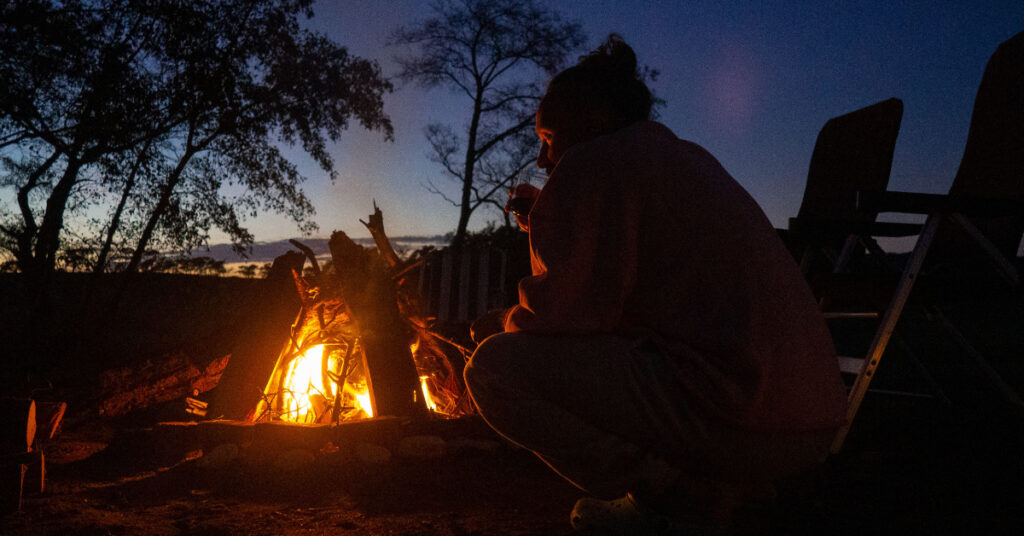
Winter camping in South Africa is one of the country’s most underrated outdoor experiences.
Cold mornings, quieter campsites, clearer skies, fewer insects, and comfortable daytime temperatures can make winter one of the best seasons to get outdoors. Whether you’re camping in the Drakensberg, spending a weekend in the Cederberg, heading into the Karoo, exploring Limpopo, or planning a bush trip in Kruger, winter often delivers exceptional conditions.
But winter camping in South Africa catches people out for one reason: our winters are extremely varied.
A campsite that feels comfortable during the day can become unexpectedly cold after sunset. Dry inland conditions create big temperature swings, mountain weather changes quickly, and poor preparation turns what should be a relaxing trip into an uncomfortable one.
This guide covers practical, realistic winter camping advice specifically for South African conditions — helping campers, hikers, overlanders, caravan travellers, and outdoor beginners stay warm, sleep better, and enjoy winter rather than endure it.
Quick Answer: What Are the Most Important Winter Camping Tips?
If you only remember five things, focus on these:
- Sleep warmer than you think you need to
- Layer clothing instead of relying on bulky jackets
- Protect yourself from wind and ground cold
- Keep camp simple and dry
- Eat and hydrate properly
Most winter camping discomfort comes from poor sleep systems and underestimating overnight temperatures — not from extreme weather.
Table of Contents
Why Winter Camping Works So Well in South Africa
Many South African campers automatically choose summer holidays, but winter often delivers a better outdoor experience.
Compared with summer, winter usually means:
- Less rain
- Fewer mosquitoes and insects
- Cleaner air
- More comfortable daytime temperatures
- Quieter campsites
- Easier hiking and outdoor activities
Wildlife viewing also improves in many regions because thinner vegetation makes animals easier to spot. That said, winter comfort depends almost entirely on preparation.
Understand South African Winter Conditions
One of the biggest mistakes campers make is treating all South African winters as if they are the same. Winter conditions vary dramatically depending on where you camp.
Bushveld (Limpopo, Mpumalanga)
- Days are often warm and pleasant.
- Night temperatures can drop sharply before sunrise.
- Dust and dry air become bigger factors than rain.
Karoo and Interior
- Large temperature swings are common.
- Warm afternoons can turn into very cold evenings.
- Wind protection becomes important.
Mountains (Drakensberg, Eastern Cape Highlands)
- Expect significantly colder overnight temperatures.
- Wind exposure increases rapidly.
- Snow occasionally occurs.
Western Cape Winter
- Winter becomes wetter rather than simply colder.
- Wind and moisture management matter more than insulation.
- Understanding your destination matters more than buying more gear.
How Cold Does Winter Camping Actually Get?
People often focus on daytime forecasts and forget overnight conditions.
Winter camping comfort is mostly determined by:
- Overnight minimum temperatures
- Wind exposure
- Ground temperature
- Humidity
- Shelter quality
Ground cold surprises many beginners. You lose significant heat through contact with the ground, which means sleeping systems matter more than clothing. Always plan for conditions colder than the forecast suggests.
Build a Warm Sleep System
If there is one area worth investing in for winter camping, it is your sleeping setup. Trying to stay warm by wearing extra clothing inside a poor sleep system rarely works well. Think in layers.
Start With Ground Insulation
The ground continuously pulls heat away from your body.
Use:
- Ground sheet
- Quality sleeping mat
- Self-inflating mattress
- Stretcher with insulation layer
This becomes especially important in caravans and rooftop tents where airflow underneath increases heat loss.
Choose the Right Sleeping Bag
Look at comfort ratings rather than survival ratings. A survival rating is the lowest temperature that a sleeping bag will prevent hypothermia, this is not the same as a good night’s sleep. A sleeping bag should keep you comfortable — not simply alive!
If a sleeping bag does not clearly state whether its temperature rating refers to a comfort rating, limit rating, or extreme rating, it is safest to assume the rating may represent a lower survival threshold rather than a comfortable sleeping temperature. When choosing a sleeping bag for camping, consider selecting one rated around 5°C to 10°C lower than the expected overnight temperature to provide a warmer margin of comfort.
For colder trips:
- Add a liner
- Use thermal sleepwear
- Add blankets if necessary
Avoid overdressing. Too many layers can trap moisture and reduce warmth.
Don’t Forget Your Pillow
Good sleep matters. Many experienced campers bring proper pillows because better sleep improves the entire trip. If packing space is limited, consider compact or self-inflating models.
Dress in Layers Instead of Dressing Heavy
Winter camping clothing works best in layers. Rather than one thick jacket, build flexible layers.
Base Layer
This manages moisture.
Choose:
- Merino wool
- Thermal synthetics
- Lightweight thermal clothing
Avoid cotton.
Mid Layer
This traps warmth.
Examples:
- Fleece
- Lightweight insulated jackets
- Wool layers
Outer Layer
This blocks weather.
Choose:
- Wind-resistant jackets
- Waterproof layers where needed
Camp Clothing Matters
Separate sleeping clothing from daytime clothing – dry sleepwear feels dramatically warmer.
Don’t underestimate:
- Warm socks
- Beanies
- Gloves
- Slip-on camp shoes
South African campers often forget how cold early mornings can feel.
How to Stay Warm Around Camp
Cold evenings become enjoyable when your camp setup supports comfort. Wind management often matters more than temperature.
Create sheltered spaces using:
- Caravan awnings
- Rally tents
- Gazebos
- Windbreak panels
Camp furniture matters too. Metal chairs become surprisingly cold. Adding blankets or insulated seating improves comfort.
Warm drinks help. Coffee, tea, soup, and hot chocolate become part of the winter camping experience.
A hot water bottle before bed remains one of the simplest and most effective cold-weather camping tricks.
Winter Cooking and Hydration
People drink less water during winter. That becomes a problem as cold weather still causes dehydration. Drink consistently throughout the day.
Meals should prioritise:
- Warm foods
- Simple preparation
- Energy density
Excellent winter camping meals include:
- Potjies
- Braais
- Soups
- Stews
- Pasta dishes
- Breakfast rolls
Winter mornings become far more enjoyable when breakfast is quick and warm.
Tent, Caravan and Bush Trailer Setup
Winter reveals weaknesses in camping equipment.
Before every trip inspect:
- Tent poles
- Guy ropes
- Ground sheet
- Pegs
- Caravan seals
- Trailer electrics
Wind places much more stress on shelters than many people expect.
For tent campers:
- Pitch away from prevailing wind
- Tension guy ropes properly
- Use additional pegs where necessary
For caravan and bush trailer campers:
- Check battery performance
- Inspect wheel bearings
- Test heating and lighting systems
Winter preparation prevents most campsite frustrations.
Power and Lighting in Cold Conditions
Cold weather affects power performance. Battery systems often discharge faster in lower temperatures.
Before leaving:
- Charge power banks fully
- Test camping fridges
- Check lantern batteries
- Carry backup lighting
Lighting matters more in winter because evenings become longer. Headlamps remain one of the most useful winter camping items.
Winter Camping Safety
Winter conditions create different risks compared with summer.
Common issues include:
- Carbon monoxide exposure
- Condensation
- Trip hazards in darkness
- Poor visibility
- Cold stress
Never Heat Enclosed Spaces Improperly
Avoid:
- Open flames inside tents
- Braais inside shelters
- Improvised gas heating
Maintain ventilation.
Respect Fire Safety
Dry winter vegetation increases fire risk.
Always:
- Extinguish fires fully
- Follow campsite regulations
- Monitor wind conditions
Wildlife Awareness
Even during winter:
- Wear shoes around camp
- Use a torch after dark
- Shake out shoes and gear
Simple habits reduce unpleasant surprises.
Common Winter Camping Mistakes
The biggest mistakes are surprisingly consistent.
Packing Too Many Clothes
Warmth comes from systems, not volume.
Ignoring Ground Insulation
Cold from below causes more discomfort than cold air.
Chasing Bigger Gear Instead of Better Setup
A thoughtful setup beats expensive equipment.
Underestimating Wind
Wind destroys comfort quickly.
Not Testing Equipment Before Leaving
Cold weather exposes weak equipment.
FAQs
Is winter a good time for camping in South Africa?
Yes. Winter often offers quieter campsites, comfortable daytime temperatures, fewer insects, and excellent outdoor conditions.
What temperature sleeping bag do I need?
Choose based on expected overnight temperatures and focus on comfort ratings rather than survival ratings.
Should I use a heater inside my tent?
Only use equipment specifically designed for enclosed camping environments and maintain proper ventilation.
How do I stop getting cold at night?
Improve ground insulation, sleeping systems, clothing layers, and wind protection.
What should I wear for winter camping?
Layered clothing works best: moisture management, insulation, and weather protection.
Is winter camping harder than summer camping?
Not necessarily. Winter often becomes easier once you understand warmth management and preparation.
Do batteries perform differently in winter?
Yes. Cold weather can reduce battery performance and runtime.
Can beginners go winter camping?
Absolutely. Winter can be an excellent season for beginners if conditions and equipment are matched properly.
Final Thoughts
Winter camping in South Africa doesn’t require extreme gear or complicated systems. Most successful winter campers simply focus on preparation, sleep quality, wind protection, and practical comfort.
When done properly, winter often becomes one of the best seasons to camp — quieter campsites, crisp mornings, comfortable hiking conditions, and evenings that feel genuinely rewarding.
Start simple.
Refine your setup after every trip.
And remember: the quality of your sleep system usually determines the quality of your entire camping experience.
 Camping and Hiking Gear
 Climbing Gear
 Hunting and Tactical
 Leisure Gear
 Outdoor Accessories
 Outdoor Apparel
 Home
Home Shop
Shop Field Guide
 Account
 Wishlist
 Help Centre
 Contact Us